
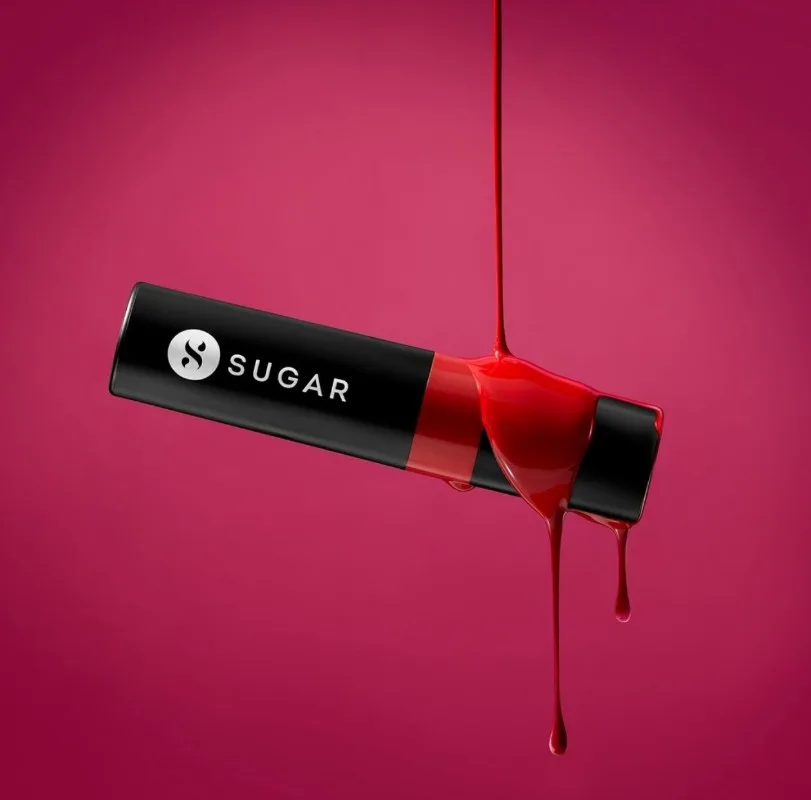
In a bustling beauty landscape where international giants often overshadow local players, Sugar Cosmetics has emerged as a beacon of innovation and relatability. Founded in 2012 by Vineeta Singh and Kaushik Mukherjee, Sugar Cosmetics has redefined the makeup game in India with its bold colors, inclusive range, and savvy marketing strategies. Let’s delve into the brand’s journey, its unique selling propositions, and what sets it apart in the competitive world of beauty.
The Beginnings: A Journey of Grit and Vision
Sugar Cosmetics started its journey in 2012, co-founded by Vineeta Singh and Kaushik Mukherjee. Vineeta, an MBA graduate from IIM Ahmedabad, had previously co-founded Fab Bag, a beauty subscription service. This experience gave her valuable insights into the Indian beauty market. With a clear vision, Sugar Cosmetics aimed to cater specifically to Indian skin tones and preferences—a niche often overlooked by international brands.

Challenges and Triumphs:
Initially, Sugar Cosmetics faced the daunting task of making its mark in a market dominated by well-established international brands. In 2015, the brand launched its first product and began building a digital presence. By 2019, Sugar Cosmetics had crossed the ₹100 crore revenue mark. This milestone showcased the brand’s ability to compete effectively and attract a significant customer base.
The Product Range: A Kaleidoscope of Color
Sugar Cosmetics prides itself on its extensive and vibrant product range, which currently boasts over 550 SKUs. From lipsticks to foundations, eyeliners to eyeshadows, and even skincare products like serums and face masks, Sugar offers something for everyone.
Inclusive and Climate-Resistant Formulations:
One of Sugar’s standout features is its dedication to catering to the diverse skin tones of Indian consumers. For instance, the brand’s foundation range includes more than 30 shades, specifically designed to match the various skin tones found across India. Additionally, the products are formulated to withstand the Indian climate, which can be hot and humid. This ensures that whether it’s a scorching summer day or a monsoon downpour, Sugar’s products are designed to stay put.

Affordability Meets Premium Quality:
Sugar has managed to strike a perfect balance between affordability and high quality. The brand offers premium products at competitive prices, with their matte lipsticks priced around ₹499. This pricing strategy makes them accessible to a broad audience, including young consumers who are budget-conscious yet seek quality.
Marketing Strategy: Digital Savvy and Beyond
Sugar Cosmetics’ marketing strategy is a blend of digital innovation, influencer partnerships, and community engagement.
Digital-First Approach:
From the outset, Sugar embraced a digital-first strategy. Initially, the brand sold its products exclusively online, which allowed it to reach tech-savvy urban consumers without the hefty investment in physical stores. As of 2023, approximately 50-60% of Sugar’s revenue comes from online sales. Social media platforms like Instagram, Facebook, and YouTube have been instrumental in building brand awareness. For example, their Instagram page boasts over 2 million followers, with frequent posts of makeup tutorials and product announcements.
Influencer Marketing:
Sugar’s influencer marketing strategy is a key component of its success. The brand partners with both micro and macro-influencers, creating authentic content that resonates with various segments of its audience. For instance, collaborations with beauty influencers such as Shreya Jain and Malvika Sitlani have led to significant engagement and increased visibility.
Data-Driven Personalization:
Understanding consumer behavior through data analytics has allowed Sugar to tailor its marketing efforts effectively. The brand employs A/B testing on its website and social media ads to refine its strategies. This data-driven approach ensures that marketing messages and product recommendations are optimized for maximum impact.
Competitive Advantages: What Sets Sugar Apart?
Sugar Cosmetics has carved out a niche for itself through several competitive advantages that have helped it stand out in a crowded market.
Deep Understanding of the Indian Market:
Sugar’s success can largely be attributed to its deep understanding of Indian consumers. The brand has identified gaps that international competitors often miss, such as the need for a broader shade range and products suited for the Indian climate. This localized approach has allowed Sugar to connect with its audience on a personal level.
Omni-Channel Presence:
The brand’s strategy of integrating online and offline channels has been highly effective. While Sugar started with a strong online presence, it has also expanded into physical retail. As of 2023, the brand operates over 100 exclusive brand outlets and is available in over 35,000 retail touchpoints across India. This omni-channel approach ensures that customers can easily access Sugar’s products whether they prefer shopping online or in-store.

Agility and Innovation:
Sugar’s ability to quickly adapt to emerging trends and consumer demands has been a significant competitive edge. For example, the brand’s agile product development process allows it to introduce new products rapidly, often in response to global beauty trends. This innovation helps keep the brand relevant and exciting for consumers.
Strong Brand Loyalty:
By actively engaging with its community through social media, loyalty programs, and personalized customer service, Sugar has built a loyal customer base. The brand’s focus on customer satisfaction and its positive word-of-mouth referrals have been crucial in driving repeat business. For instance, the brand’s loyalty program, which offers rewards for repeat purchases, has contributed to increased customer retention.
Celebrity Endorsements and Shark Tank Effect
One of the most significant boosts to Sugar Cosmetics’ visibility came from Vineeta Singh’s appearance on “Shark Tank India.” As a judge on the show, Vineeta not only showcased her entrepreneurial spirit but also brought considerable attention to Sugar Cosmetics. The exposure from the show enhanced the brand’s credibility and attracted new customers. The show’s reach, with an average viewership of 3 million per episode, played a pivotal role in amplifying Sugar’s brand presence.

In addition to “Shark Tank,” Sugar has collaborated with various influencers and celebrities like currently Tammana Bhatia is their brand ambassador. For example, their partnerships with Bollywood stars like Kriti Sanon have further leveraged their reach to promote Sugar’s products, solidifying the brand’s presence in the beauty industry.
Conclusion: The Sugar Sweet Success
Sugar Cosmetics’ journey from a nascent startup to one of India’s fastest-growing beauty brands is a testament to its innovative approach and deep market understanding. With a product range that caters to diverse skin tones, a savvy marketing strategy, and a strong commitment to customer satisfaction, Sugar has successfully carved out its niche in the highly competitive beauty market.
As the brand continues to expand its reach both online and offline, it remains focused on delivering high-quality products that resonate with modern, urban consumers. With projections to reach ₹1,000 crore in revenue by 2025 and plans to double its offline presence, Sugar Cosmetics is not just a brand; it’s a symbol of boldness and authenticity in the world of beauty.
