
Introduction: A New Dawn in Indian Education
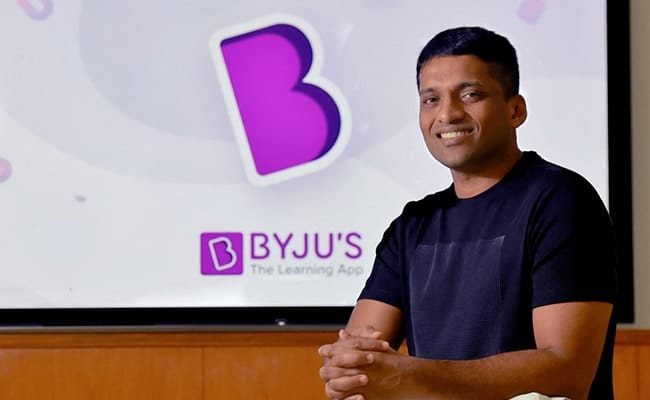
Byju’s was hailed as a revolution in Indian education — transforming traditional coaching through technology, making learning interactive, accessible, and scalable to millions of students. Founded in 2011 by Byju Raveendran, a former engineer and passionate educator, Byju’s quickly grew from a small class for CAT aspirants to the world’s most valuable edtech startup, peaking at a staggering $22 billion valuation. Its engaging digital platform, aggressive expansion, and compelling marketing made it a household name.
But the 2020s have brought enormous challenges. Byju’s faces severe financial difficulties, governance controversies, customer dissatisfaction, and operational turmoil. This blog explores the remarkable highs and alarming lows of Byju’s, backed by data, timelines, and analysis to uncover the lessons for India’s evolving startup ecosystem.
Origins: From Classroom to Global EdTech Powerhouse
Byju Raveendran began tutoring students in mathematics and test prep in 2006. His innovative techniques, blending storytelling with technology, rapidly gained popularity. Together with his wife Divya Gokulnath and other associates, he founded Think and Learn Pvt. Ltd. in Bengaluru in 2011, laying the foundation for Byju’s.
The launch of the Byju’s – The Learning App in 2015 marked a pivotal moment. Through animated video lessons, gamified quizzes, and adaptive learning, the product appealed widely to Indian students from classes 4 to 12 and aspirants for IIT-JEE, NEET, CAT, and international exams (GRE, GMAT).
By 2018, Byju’s had 15 million users and 900,000 paying subscribers, becoming India’s first edtech unicorn. Its presence quickly expanded internationally to English-speaking markets, while a rocket-fueled investment spree followed.
Growth Fueled By Aggressive Acquisitions
Between 2019 and 2022, Byju’s followed a hyper-growth acquisition strategy that significantly diversified its portfolio:

- Osmo (2019): US-based educational games for children, broadening early learning.
- WhiteHat Jr (2020): Live coding classes for kids in the US and India.
- Great Learning (2021): Online professional upskilling and reskilling.
- Epic (2021): Digital children’s reading platform in the US.
- Aakash Educational Services (AESL) (2021-22): India’s largest offline coaching chain for competitive exams, acquired in a deal valued near $950 million.
The Aakash Deal: Ambition Meets Reality

The acquisition aimed to create an integrated education powerhouse blending Byju’s digital offerings with Aakash’s physical coaching centers spread across 200+ locations in India. This “phygital” model promised access to millions in tier 2/3 cities and strength in exam prep verticals.
However, the integration struggled. Byju’s withdrew the merger application multiple times citing operational and financial challenges. Students and staff reported confusion, delayed services, and management disconnects. The lofty vision drowned under cash crunch and governance issues later revealed.
Expanding the Footprint: BTC Centers & Global Push

Byju’s established the Byju’s Tuition Centres (BTC) network to reinforce presence in smaller towns and drive sales. Despite 300+ centers, the overheads ballooned and they became more sales than education oriented.
International leaps met mixed success. While launching localized offerings abroad, Byju’s US subsidiary filed for bankruptcy due to hidden creditor liabilities, exacerbating investor concerns.
Controversies, Legal Battles & Governance Overhauls
Byju’s became a magnet for controversy starting in 2023:
- Auditor Walkouts & Governance Alarms: Multiple auditors resigned citing opacity and lack of cooperation. Corporate governance took a hit as investors demanded clarity.
- FEMA & ED Investigations: ₹9,362 crore FEMA violation notices led to investigations. Enforcement Directorate probed foreign fund misuse allegations.
- Consumer Complaints & Refund Orders: Thousands of refund cases emerged due to aggressive and misleading sales tactics, subpar product quality, and poor customer support. Courts ordered refunds in several cases.
- US Subsidiary Bankruptcy: Byju’s US arm declared insolvent, revealing undisclosed billion-dollar liabilities.
- Legal Debt Battles: Multi-million-dollar lawsuits filed by lenders amid missed loan repayments.
Lavish Marketing & Sponsorships Amid Financial Stress
To maintain high visibility, Byju’s splurged on marquee sports sponsorships despite mounting financial headwinds:

- Indian Cricket Team: Became the official sponsor in 2019, investing upwards of $55 million in brand association.

- FIFA World Cup: Flooded airwaves and stadiums during 2022, signaling aggressive investment in brand building through Indian and global football.

- Lionel Messi Partnership: Signed on as global champion of education equity with an estimated $5-7 million annual payout. But Byju’s paused the deal in 2024 citing liquidity and operational crises, underscoring shaky financial footing.
Layoffs, Salary Delays & Office Abandonments
Employment practices suffered as Byju’s struggled internally:
- Several rounds of layoffs starting from 2023 saw thousands of employees let go across sales, operations, and content teams.
- Reports of late salary payments and stress permeated ranks, fuelling negative media and employee morale.
- Byju’s vacated sprawling office spaces, particularly in Bengaluru, downsizing centrally owned properties and shifting to smaller, cost-efficient hubs or remote operations.
Financial Rollercoaster & Current Status
From a $22 billion valuation in 2022, Byju’s worth plummeted by over 90% by late 2024. Persistent cash flow issues forced the company to focus sharply on profitability:
- Reduced marketing halo, cut costs, and halted acquisitions.
- Invested in AI and adaptive learning tech under the “BYJU’s WIZ” program to improve user experience.
- Launched restructuring plans dividing operations into focused verticals, placing founders back at the helm for steady leadership.
- Currently seeking new capital infusion to stabilize, re-pay debts, and restore stakeholder confidence.
What Does Byju’s Story Teach Us?
- Rapid Growth Without Profitability Risks Collapse: High valuations mask the underlying financial stresses.
- Customer Trust & Compliance Are Non-Negotiables: Poor support and regulatory breaches damage long-term brand equity.
- Integration Is Critical in Acquisitions: M&A can burden a company when cultures and systems clash.
- Governance Transparency Builds Investor Confidence: Opacity scares capital away fast.
- Sustainable Brand Building Should Not Sacrifice Financial Health: Lavish marquee sponsorships must balance with cash reserves.
Conclusion: Can Byju’s Reclaim Its Throne?
Byju’s journey is a powerful case study in Indian tech startup dynamics. Its innovative leap forward, hyper-growth strategy, and brand-building prowess cannot be denied. Yet, its fall into controversy, cash flow trouble, and legal battles highlights the pitfalls of unchecked scale and governance lapses.
As 2025 unfolds, Byju’s path forward involves more measured growth, rebuilding trust, and focusing on product excellence. Whether it can rebound remains uncertain but its lessons resonate across India’s startup and investor ecosystems.
