
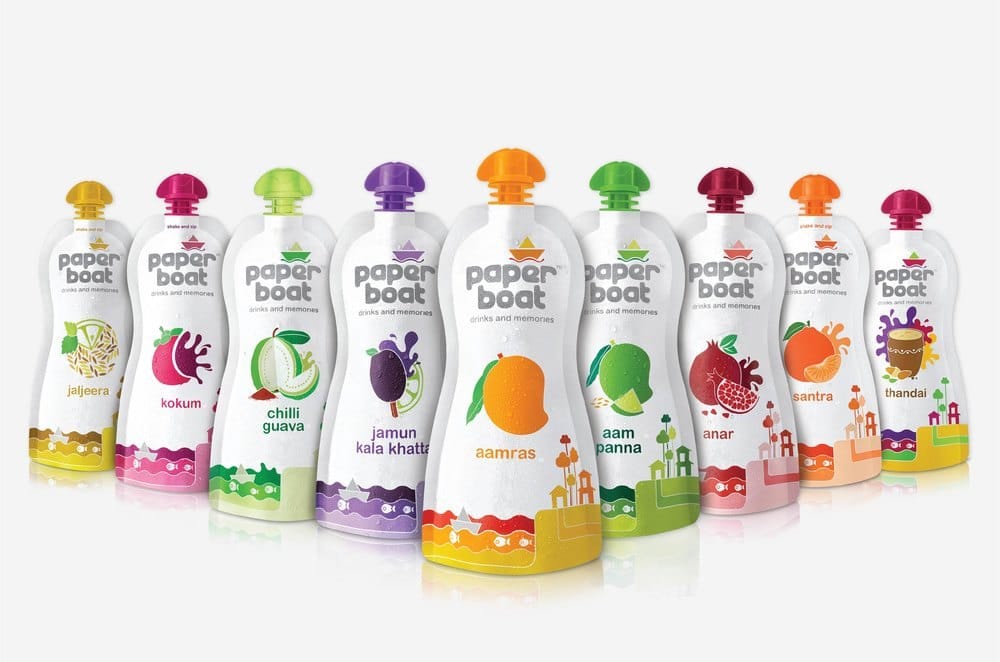
When you open a Paper Boat drink, you aren’t just tasting mango or jaljeera — you’re tasting childhood. In an industry dominated by sugar, fizz, and global giants, Paper Boat created a ₹585 crore success story by turning nostalgia into a scalable marketing strategy.
Brewing Memories into a Brand
Launched in 2013 by Hector Beverages, the founders didn’t just aim to sell beverages — they aimed to sell memories. Their concept was simple: take forgotten Indian flavours like Aam Panna and Jal Jeera, wrap them in modern packaging, and serve them with a story.
Each pouch, pastel-coloured and gently curved, whispers of monsoon puddles and lunch-break summers. This emotional consistency became the foundation for their marketing, letting Paper Boat own a niche untouched by the soft-drink giants.
Marketing That Tastes Like Emotion
Paper Boat’s campaigns revolve around emotional storytelling instead of aggressive selling.
- Visual storytelling: Hand-drawn packaging and muted colours create a signature aesthetic that instantly signals warmth and familiarity.
- Film campaigns: Collaborations with respected storytellers brought poetry into advertising — short films built intimacy rather than noise.
- Print and digital synergy: The same nostalgic tone flows from billboards to Instagram posts; the voice remains consistent.
Unlike many FMCG players, Paper Boat doesn’t flood feeds with discount codes or flash campaigns. It lets audiences reminisce — and then gently offers them a sip of the past.
Social Media: Soft-Sell Storytelling Done Right
Paper Boat’s social media presence has quietly carved its own niche.
- Consistency over virality: While other brands chase trending memes, Paper Boat keeps it reflective and warm — a deliberate choice to align tone with brand emotion.
- Content design: Posts feature minimal text, delicate illustrations, and cultural cues (kites, chalk, mango stains) — each triggering nostalgia without relying on gimmicks.
- Platform focus: Instagram and YouTube become the storytelling galleries, achieving higher than average engagement in their category.
- Community building: Campaigns invited users to share their childhood memories, generating thousands of organic mentions and shares across platforms.
By focusing on story-first content rather than sale-first posts, Paper Boat demonstrates how digital marketing can build brand equity, not just traffic.
Data-Backed Growth
- In FY 24, Paper Boat’s revenue rose by ~16 % to ₹585 crore.
- Annual losses were cut nearly 48 %, showing operational maturation.
- The brand valuation is estimated at ~₹1,620 crore in some industry reports.
- The “ethnic ready-to-drink” category is claimed to hold over 30 % market share by some estimates.
These numbers show that the brand’s emotional appeal is matched by commercial rigour.
The Marketing Strategy Behind the Sip
- Category Creation: Rather than going head-to-head with cola/juice giants, Paper Boat built the “traditional Indian beverages in modern form” category.
- Cultural Hooks: Seasonal product releases tied to Indian festivals (e.g., Thandai for Holi) keep the brand culturally anchored and top-of-mind.
- Storytelling Continuity: Every campaign acts like a memory thread — connecting past emotion with present consumption.
- Storytelling > Selling: Its advertising rarely shouts “Buy now!” Instead, it nurtures brand recall and familiarity, which drives long-term loyalty rather than short-term spikes.
It’s worth comparing this with other brands building voice via social media, such as those covered in the Social Media Strategy category.
The Modern Twist: Going Digital Without Losing Soul
Paper Boat integrates nostalgia with new-age marketing tech:
- Influencer Collaborations: They’ve partnered with family-centric creators to reinforce emotional storytelling with authentic reach rather than paid-ad fatigue.
- Content SEO: By ranking for terms like “Indian ethnic drinks”, “Paper Boat nostalgia marketing”, the brand drives consistent organic traffic to its owned channels.
- Email & App Marketing: Gentle reminders framed as memories (“Remember the taste of your last summer holiday?”) outperform typical FMCG click-through benchmarks.
While many D2C brands obsess over scale, Paper Boat quietly builds affection and relevance.
Lessons for Marketers
- Emotions drive retention; utility drives conversion.
- Define your brand’s emotional grammar and repeat it everywhere.
- Ensure your marketing tone aligns with product personality.
- Own a story so unique it becomes your SEO strategy.
Conclusion
Paper Boat’s journey isn’t just a case study in branding — it’s a reminder that marketing works best when it touches hearts before it reaches carts. In an age where most brands chase trends, Paper Boat built an empire by chasing emotions.
By anchoring its identity in nostalgia, the brand didn’t just sell Indian beverages; it revived forgotten tastes and moments. Every sip, every pastel pack, every poetic film reinforces one idea — that memories are a market too, if you know how to tell their story.
For marketers, the lesson is clear: your story must feel like a conversation, not a campaign. Paper Boat’s marketing success proves that when you balance emotion with authenticity and back it with operational discipline, you don’t just create demand — you create belonging.
As we say at Brands Pe Charcha — branding isn’t about shouting louder; it’s about speaking truer.
Read More from Brands Pe Charcha
If you enjoyed Paper Boat’s story, explore how other brands turn emotion and consistency into marketing power:
- ZebPay at 11: Building a Fintech Brand with Purpose – blending trust with innovation.
- Fevicol Success Story: Decoding Fun & Sticky Social Media Marketing Strategy – how humour became brand glue.
- HealthifyMe Success Story: Tracking Health with Tech and Social Media – storytelling via community and digital.
